
Gamification
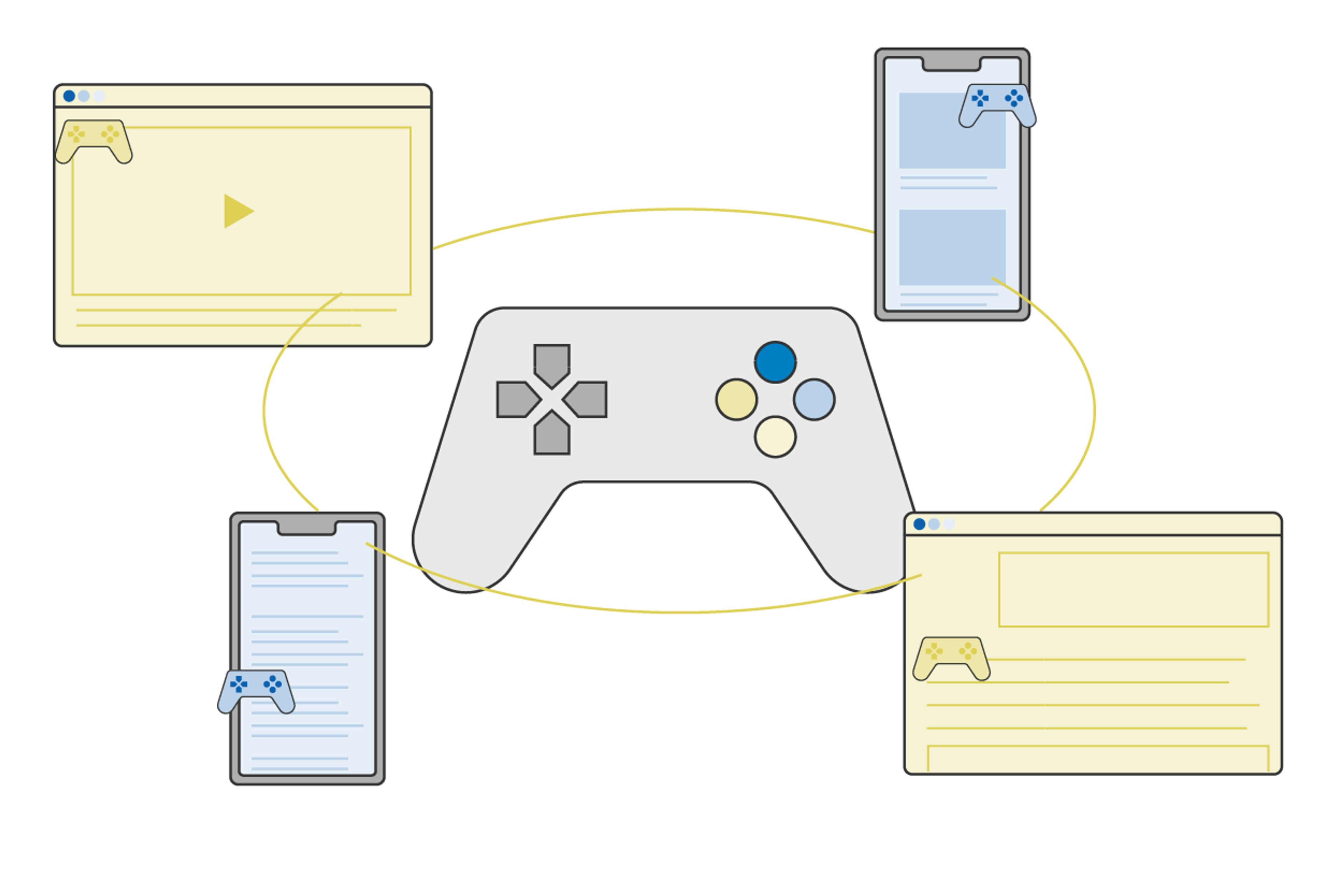
Gamification is the application of game elements and game design principles in a non-game environment to increase user engagement with a product, service or brand. Its purpose is to encourage motivation, engagement and desired behaviour by creating an engaging and interactive user experience.
Gamification uses elements such as progress tracking, challenges, points, badges, levels, rewards and social interaction to motivate users to achieve goals and return to a platform or service. When implemented effectively, gamification can increase user engagement, strengthen customer loyalty and create a more positive user experience.
However, gamification can also have drawbacks. When game mechanics are primarily designed to maximise screen time, encourage excessive competition or promote other forms of unhealthy behaviour, they can lead to frustration, overuse and damage to a brand's reputation.
Example of effective use
A health platform uses gamification to encourage people to exercise regularly. Users earn points and badges by participating in workouts, walking or cycling. They can also complete personal challenges, track their progress and unlock new training programmes. This helps keep users motivated to stay active.
Example of poor use
A social media platform uses gamification to encourage users to keep returning and remain active for as long as possible through leaderboards, streaks and rewards. This can lead to unhealthy usage, an excessive focus on popularity and the creation of sensational content purely to generate more engagement.
Successful gamification aligns with users' needs and motivations while supporting an organisation's objectives, such as customer loyalty, behaviour change, knowledge transfer or social interaction.


