
Blockchain
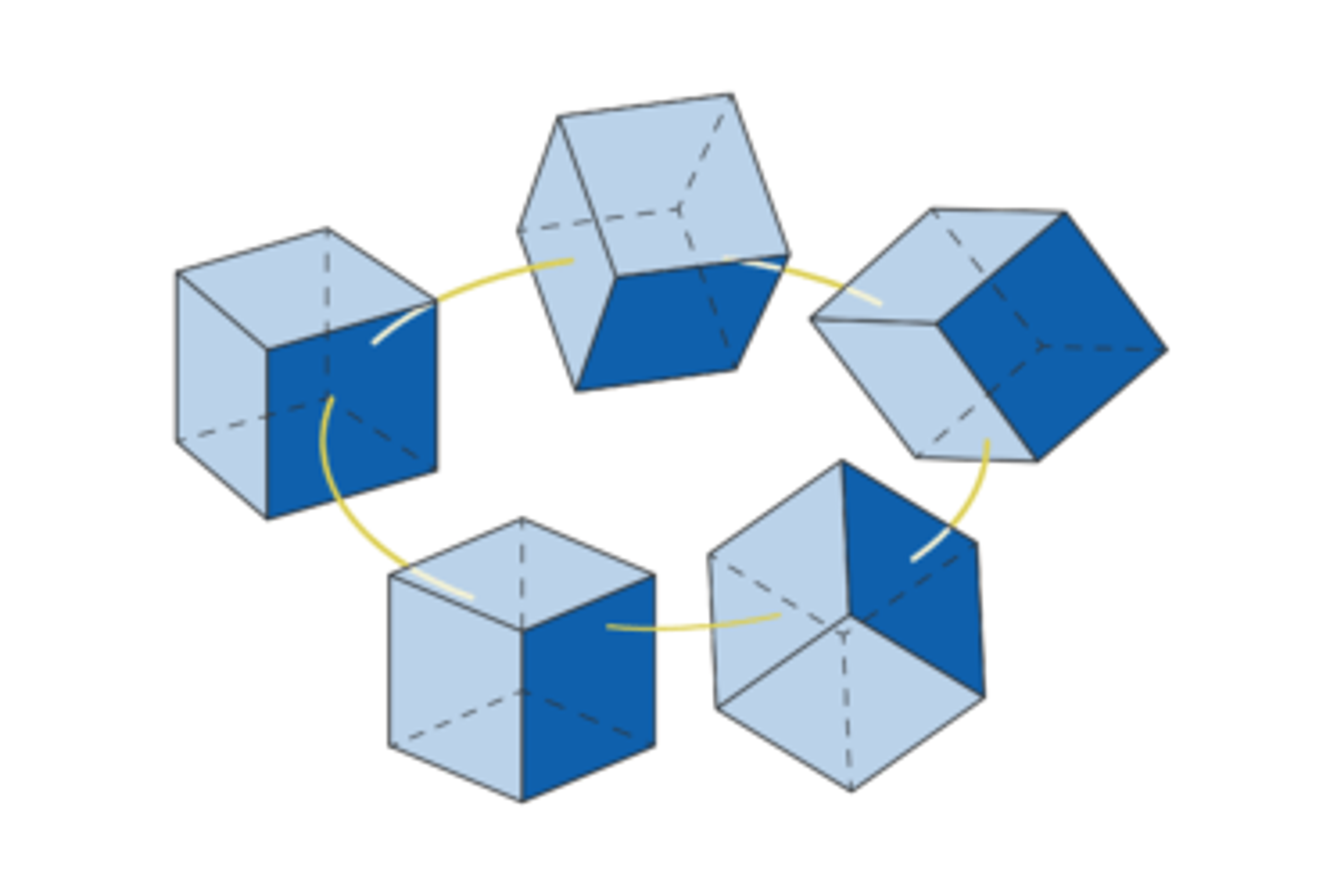
A blockchain is essentially a chronological list of data records to which information can only be added. The technology became widely known through Bitcoin, where a blockchain is used to record bitcoin transactions. On average, a new block containing several thousand transactions and a reference to the previous block is added every ten minutes. This creates a chain of blocks: the blockchain.
Bitcoin is a decentralized monetary system, meaning that its ledger is maintained and verified by a large group of participants without any central authority. This is the essence of the invention: a large group of unrelated participants can reach consensus on the system's ledger.
A blockchain is essential because it establishes the order of transactions. A large group of unrelated participants does not share a common sense of time. Because each block is linked to the previous one, a chronological sequence is created. The downside is that outside a truly decentralized system, a blockchain adds little value and is often an inefficient way to store data.
One of the key challenges is determining who is allowed to add the next block to the blockchain. Ideally, this is a different participant chosen at random each time. This is solved through a consensus mechanism: the method by which agreement is reached. One characteristic of a robust consensus mechanism is that participants cannot pretend to be multiple people and thereby cast multiple votes when establishing the ledger.
Bitcoin's consensus mechanism is called Proof-of-Work. Under this mechanism, participants ('miners') receive voting power in proportion to the computing power they contribute. Because computing power requires energy, no one can fake their influence. Other consensus mechanisms also exist, such as Proof-of-Stake. In this model, participants ('validators') receive voting power in proportion to the amount of cryptocurrency they lock up. Bitcoin uses Proof-of-Work, while Ethereum has used Proof-of-Stake since 2022. In a public decentralized system such as Bitcoin or Ethereum, anyone can join the network, maintain a complete copy of the blockchain and independently verify that all the rules are being followed. They do not need to rely on a central authority such as a government, bank or technology company.
Today, blockchain technology is used not only for cryptocurrencies but also for applications such as asset tokenization, digital identity, supply chain management and recording ownership rights.


